




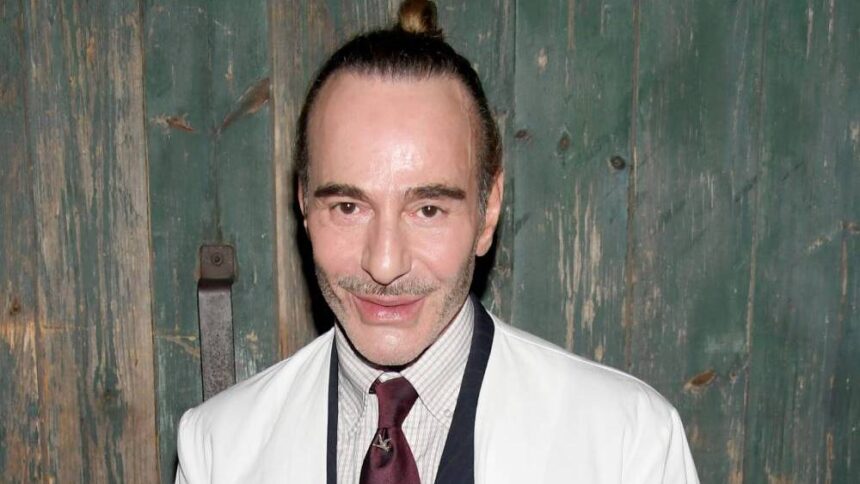
Galliano would have been only the third living designer, after Yves Saint Laurent and Rei Kawakubo, to receive a dedicated showcase from the Costume Institute. From the beginning, Bolton and others promised the show would incorporate the antisemitic, anti-Asian rant that got Galliano fired by Dior and convicted of abuse by a French court in 2011. But even giving Galliano such an honor marked an obvious thumb on the scales in his favor — particularly by Wintour, who played a major role in reintegrating Galliano into fashion’s mainstream in the 2010s. (Galliano has repeatedly expressed contrition for his behavior, partially attributed it to substance abuse and embraced sobriety.) In her own statement on a move she pointedly framed as a postponement, Wintour could not resist heaping praise on Galliano and his accomplishments — and omitting any mention of the reasons for changing course.
Early misgivings were compounded by just how off-guard the Met seemed to be taken by the immediate, predictable backlash. As major donors threatened to withdraw gifts and figures from well beyond the fashion industry chose to weigh in, like New York City Council speaker Julie Menin, the Met floated half-hearted measures like postponing the gala so it wouldn’t fall on Holocaust Remembrance Day. Both antisemitism, in the wake of the October 7 attacks and ongoing conflict in the Middle East, and anti-Asian prejudice, in the wake of the pandemic, have been front of mind in recent years. Yet despite inserting itself into this conversation, the Met seemed at a loss for how to continue it short of giving up the ghost entirely.